2025694856_b08cc42cde

Travel Writers

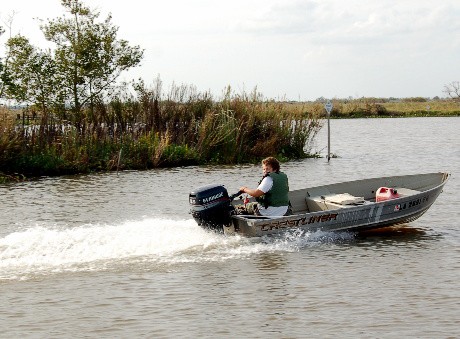
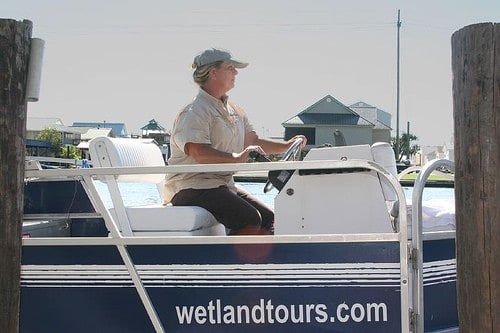
There were about 10 of them–curious about the wetlands here in my neck of the bayou. They split into two groups, and about five hours later, they knew a whole lot more about what makes up healthy and unhealthy wetlands than they did before embarking on this journey. They were from Florida to Canada, and places in between. I’ve never had so many cameras on my boat at once. It was a great pleasure having these writer/photographers on board. Think about it. They are my captive audience. We leave the landing, and I can literally hold them hostage until they have heard everything I think they need to hear about the value of the wetland here and why it should be restored, protected, and preserved for future wetlanders. Shame is, I didn’t get to take their photos, but they surely (under duress) took mine.
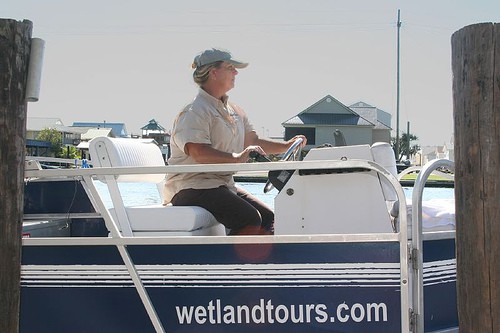
Of course this photo was taken at the landing, and not out in the wetland. Just ignore the half-million dollar camp in the background–not a typical bayou home.

Similar Posts

  • Housing Alternatives

    Termite and I were taking a little joy ride and came upon an interesting but curious sight. Two halves of a house were being jockeyed into position by big trucks.  Can you see a big crane in the background? Here’s a much better view of the crane and one half of the house. Let me…

  • Coastal Restoration: Beating a Dead Horse?

    In the spring of 2010, my email box was inundated with writers looking for the softer side of the story of the Deepwater Horizon explosion and following oil spill disaster. These seekers of a different angle flocked to my bayou to interview my shrimping neighbors. As a wetland advocate, I wondered how I could use this man-made disaster as a platform to further the cause of education and awareness.

    It became clear to me early on that most of the journalists who arrived at my door really had no clue about our culture and way of life. So, if they wanted a story about how the oil spill had impacted us, then they must humor me and allow me to educate them about this vanishing ecosystem and its people.

    What these well-meaning journalists needed first was a foundational perspective from the standpoint of a population of coastal communities who were suffering yet one more blow to their way of life. As a woman who lives, works, and fishes here, I could give them that perspective, which was simply this:

    This oil spill was not an isolated disaster for the people of coastal Louisiana. It was like being kicked when we were already down. And here’s why.

Leave a Reply

Your email address will not be published. Required fields are marked *

One Comment